Water Heater Repair
Technicians arrive with the tools and common parts needed for most leak detection and water heater repairs. Each job includes a written summary of findings and the parts replaced.
Plumbing · Iowa
Newline Plumbing handles Plumbing work across Iowa.
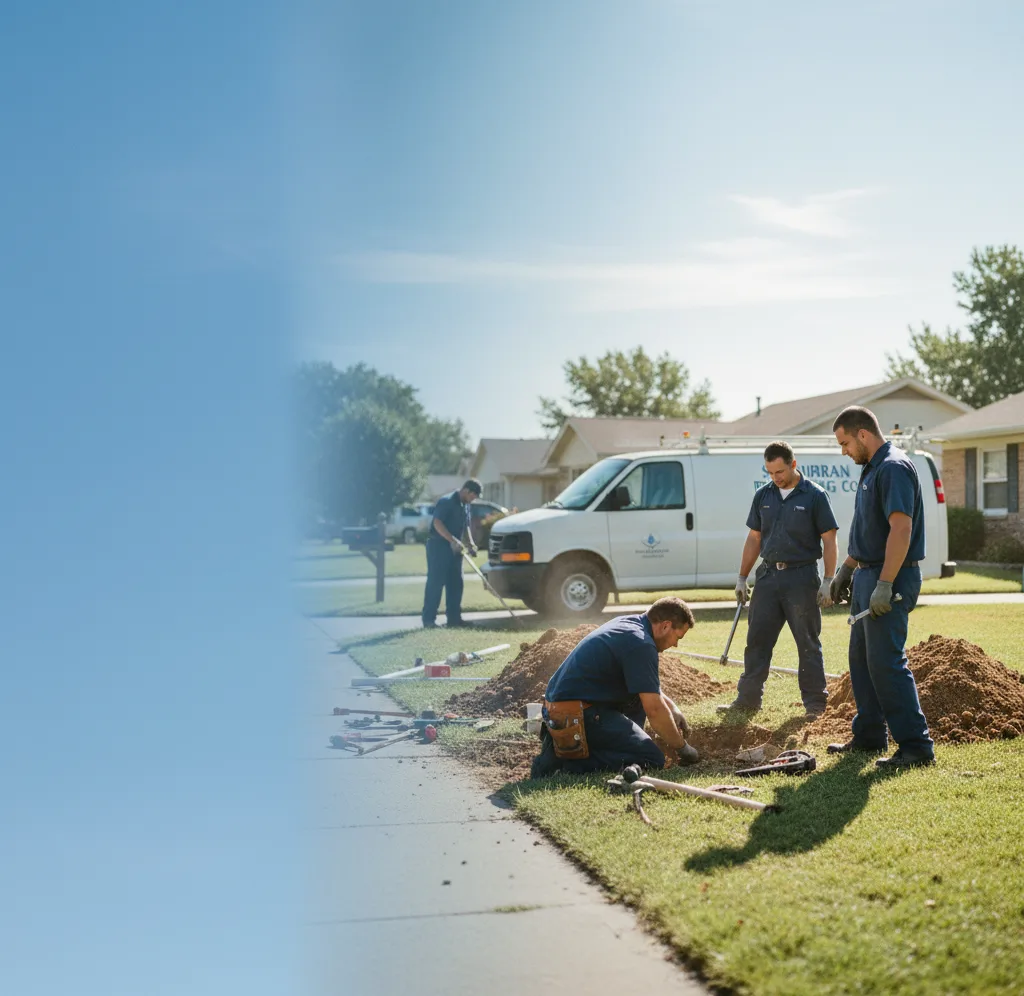
All repairs follow the permit and inspection rules that apply in each part of Iowa. This keeps the installation aligned with local requirements.
Technicians examine the entire water heater and connected piping rather than replacing parts in isolation. This approach reduces repeat visits.
Work is performed by individuals licensed where Iowa requires it. Proper credentials keep the job up to standard.
Services
Technicians arrive with the tools and common parts needed for most leak detection and water heater repairs. Each job includes a written summary of findings and the parts replaced.
Newline Plumbing records model numbers, test results, and permit details for every installation completed in Iowa. The same crew returns for follow-up questions rather than routing calls to a separate department.
Technicians follow documented procedures that begin with locating the obstruction and end with verification that flow has been restored. The company maintains the licensing required in each part of Iowa and carries equipment sized for both residential and light commercial lines.
Newline Plumbing selects nozzle size and pressure according to pipe material and diameter rather than using a single setting on every line. Cleanouts are located and tested before pressure is introduced so the crew works from the most direct access point available. When buildup is widespread, leak detection for Iowa homeowners helps pinpoint hidden issues before hydrojetting begins.
Technicians follow a documented sequence that begins with pressure verification and ends with clear options for emergency plumbing in Iowa. The same process applies whether the property sits in a dense neighborhood or on acreage.
Newline Plumbing follows documented steps for diagnosis, repair, and restoration on every sewer line project. The same inspection and testing standards apply whether the property is in a rural area or a dense neighborhood. Leak detection is one of the early steps in that process.
Technicians document existing pipe materials and note any prior modifications before beginning repairs. Parts are selected to match the diameter and pressure rating already in place. After completion the system is tested at normal operating pressure.
A water heater that no longer delivers consistent temperature usually shows signs such as fluctuating output or visible leaks around the tank. Newline Plumbing starts by confirming the power or fuel supply, then checks the thermostat settings and heating elements or burner assembly. Sediment buildup at the bottom of the tank is common in many regions of Iowa and can be identified by draining a small amount of water and noting discoloration or grit. If the dip tube is cracked, cold water mixes directly with the heated supply, so that component is inspected next. Corrosion on the anode rod or tank walls is also evaluated before any replacement decision is made. These steps show whether repair or full replacement will restore reliable service.
Hard water minerals leave scale on heating surfaces, which lowers efficiency over time. In areas subject to freeze-thaw cycles, expansion and contraction can stress pipe connections leading to the unit. Technicians look for these patterns by reviewing the age of the equipment and the condition of the surrounding plumbing. Homeowners can note whether the issue began after a recent power interruption or after the unit was unused for an extended period. Such observations narrow the diagnostic focus before tools are brought out.
Why us
Consistent approach to every job across the state
Newline Plumbing handles plumbing work for homes and businesses throughout Iowa. Each project starts with an on-site evaluation before any pricing is given. The same technician who does the evaluation finishes the work.
A single technician conducts the site assessment and performs the work.
Written details on scope and cost are provided before work starts, with any updates confirmed in advance.
Service vehicles carry commonly needed parts to fix frequent issues.
Removed parts remain on site unless the customer requests their removal.
Our process
The process begins with a description of the symptoms, followed by an on-site assessment and a clear statement of options. Work proceeds only after the property owner approves the outlined steps.
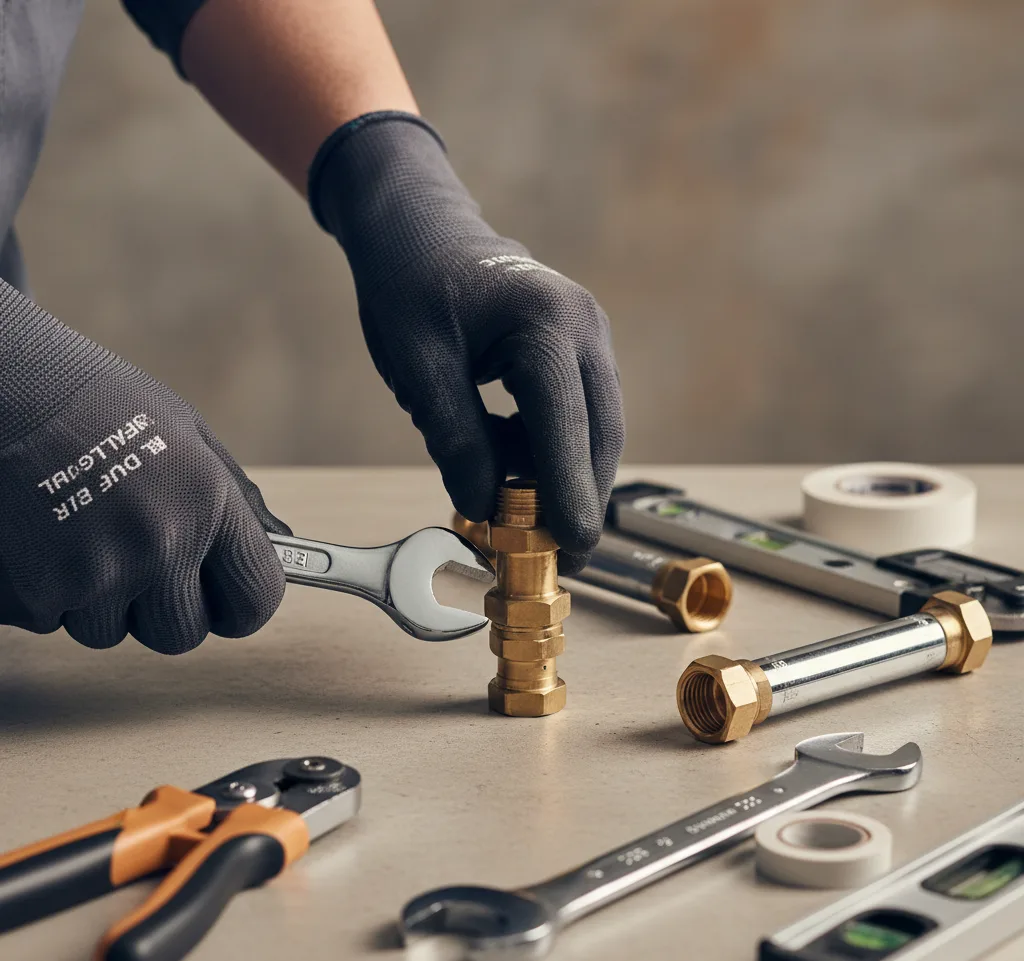
Once on location, the technician shuts off the water supply and power or gas to the unit. The tank is then drained to a safe level so internal components can be accessed without excess pressure. Replacement parts are selected to match the model’s specifications rather than using universal substitutes. After reassembly, the system is refilled slowly while air is bled from the lines to avoid hammering noises. A final pressure and temperature test confirms the repair before the visit ends. This order limits the chance of introducing new issues during the service call.
An older unit with multiple active leaks or a tank that has already been relined may not justify further repair. In such cases the discussion centers on energy efficiency gains from a modern model versus continued maintenance on the existing one. Access constraints in crawl spaces or attics are also factored in before any recommendation is finalized.
Newline Plumbing provides service to homes and businesses across Iowa. We handle plumbing needs from regular checkups to bigger repairs. Iowa's climate, with its cold winters and freeze-thaw cycles, often creates conditions that affect pipes and fixtures, and we're ready for those challenges wherever they arise.
We talk things through clearly at every step. Before any work begins, we explain the situation and the options so property owners can decide what fits. This holds whether the job is on a rural property or one in a busier area.
Each job starts with a look at the issue and a plain talk about what we find. We give an estimate first and only move ahead once the plan and cost are agreed on. Our technicians stick to the same steps statewide, which gives steady results no matter the setting.
We try to get to calls quickly. Visits get scheduled based on current demand and who is free, so things keep moving without extra waits but still allow proper checks.
Key elements of our process include:
Iowa contains many different types of buildings and water systems. Our team has worked with older homes that have original piping, newer constructions with modern fixtures, and properties that rely on wells or septic systems. This range of experience helps us spot common patterns and offer practical suggestions for each case.
We serve the entire state with the same standards. Technicians are trained to handle the specific demands that come with Iowa's seasonal weather and varied infrastructure. When questions arise about a plumbing concern, we are available to review details and discuss next steps before any commitment is made.
Pricing
The total depends on the age and condition of the existing equipment, the ease of access to the installation location, and whether additional piping or venting work is required. Figures below represent typical starting points rather than firm quotes.
Water heater repair — starting at $285 Thermocouple replacement — starting at $195 Anode rod service — starting at $165 Full water heater replacement — $1,150-$1,850 Leak repair at tank connections — starting at $225 Sediment flush and inspection — starting at $145 Vent pipe adjustment — starting at $275 Gas line safety check — starting at $135 Dip tube replacement — starting at $210 Thermostat calibration — starting at $175
Homes built before widespread adoption of current venting standards often require additional steps during water heater service. Newline Plumbing verifies that combustion air pathways remain clear and that vent piping meets present clearance rules. In rental units the focus stays on code-compliant fixes that satisfy both property owners and local inspectors.
A sudden drop in available hot water volume or a persistent smell of exhaust near the heater indicates the need for prompt evaluation. Before any visit, residents can check that the thermostat is set correctly and that the circuit breaker or gas valve has not been turned off accidentally. These simple checks help determine whether the situation requires immediate scheduling or can wait for a regular appointment slot.
FAQ
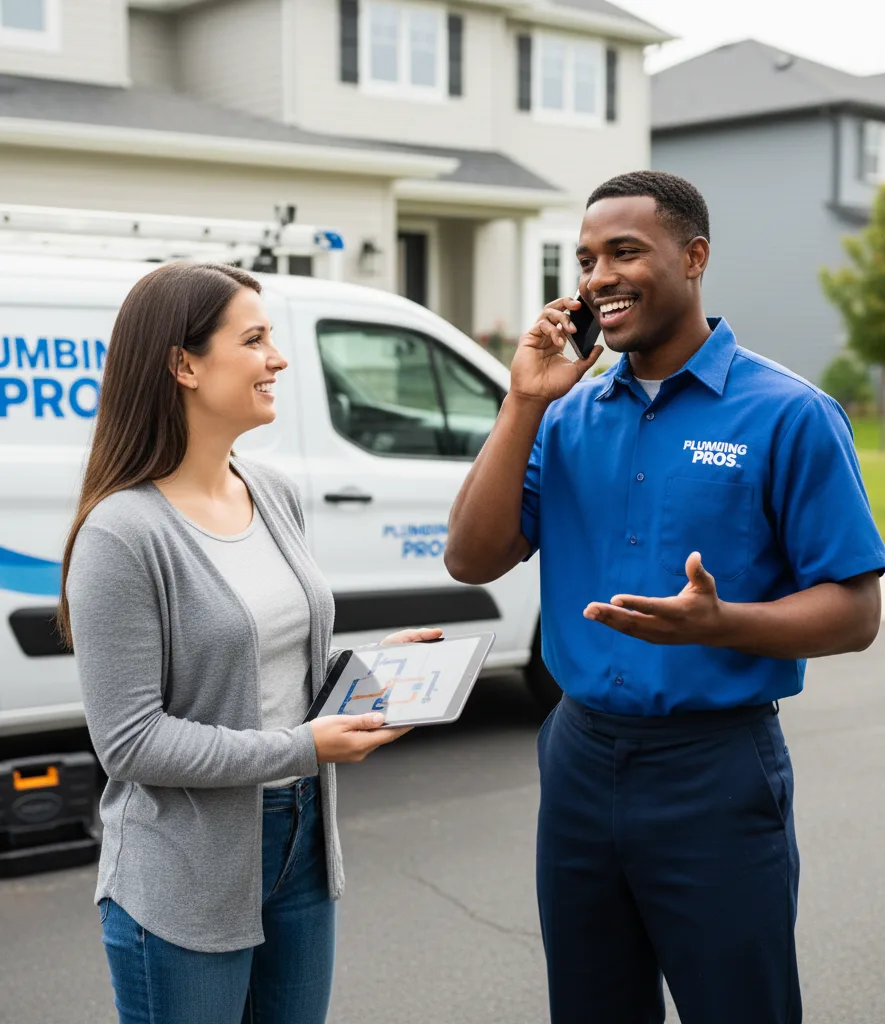
Visible rust on the exterior, repeated leaks at the seams, or an age over ten to twelve years are strong indicators that the tank lining has deteriorated. When the cost of repeated repairs approaches the price of a new unit, replacement is often the more practical choice. We can measure the remaining life of the anode rod during a visit to help judge the tank's condition.
Yes, turning off the power at the breaker or the gas supply valve is safe and can prevent further damage if a leak is present. Leave the cold-water inlet valve open unless water is actively running out of the unit. We will handle the rest of the shutdown steps once on site.
The most common reasons are a failed heating element, a tripped high-limit switch, or a thermostat that no longer reads temperature correctly. Sediment that has built up around the element can also prevent heat transfer. A quick test with a multimeter or voltage checker usually shows which part has stopped working.
Nearby
Coverage
Water Heater Repair & Plumber across Iowa. Call (888) 328-1748.
Call (888) 328-1748